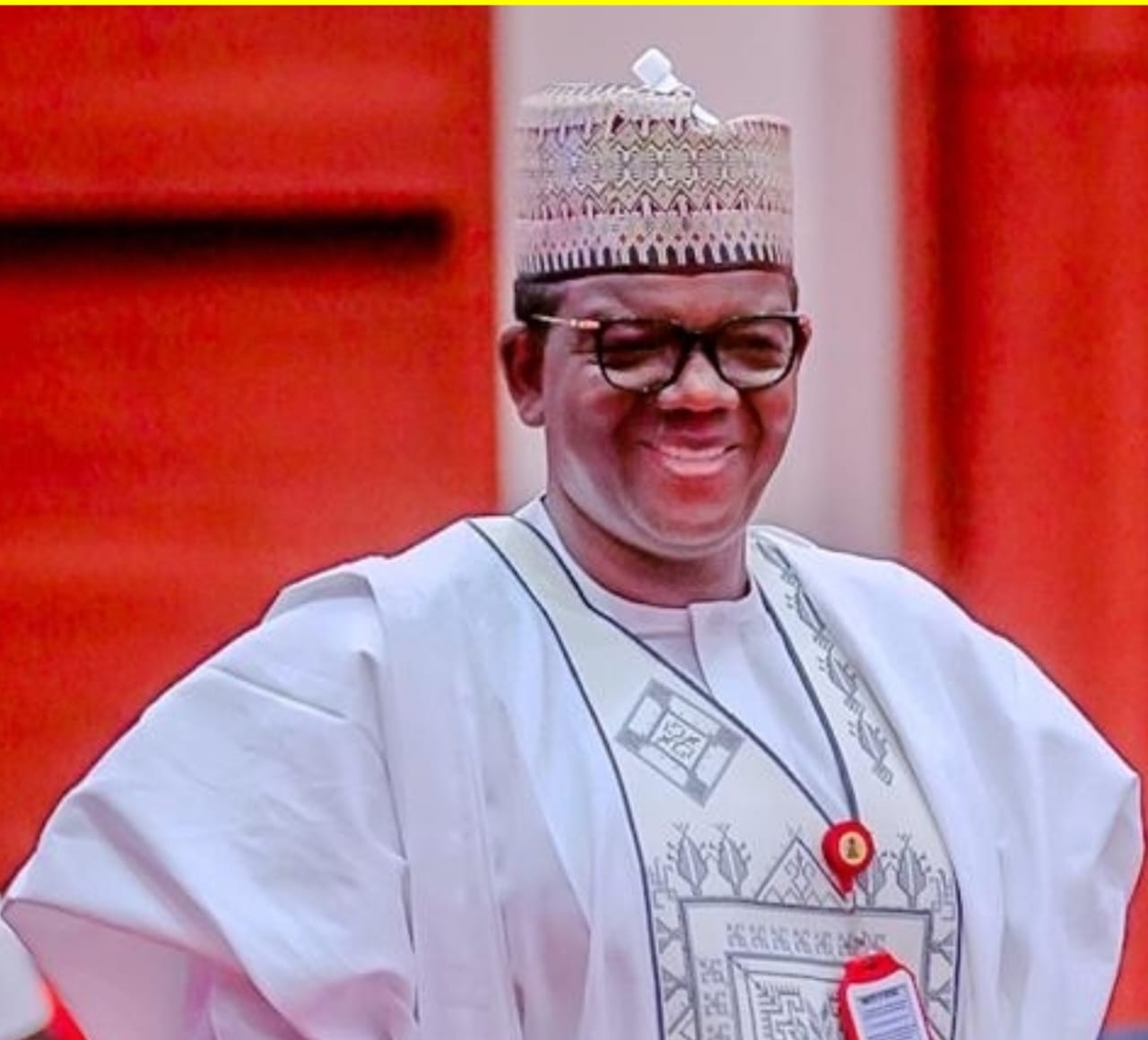
A public affairs analyst, James Ezema, has cautioned against attributing Nigeria’s worsening insecurity to a single government official, describing such narratives as misleading and counterproductive to meaningful reform.
Ezema’s reaction follows a recent call by U.S.-based lawmaker Kimberly Daniels for the removal of Nigeria’s Minister of State for Defence, Bello Matawalle.
In a statement, the analyst argued that Nigeria’s security challenges are deeply rooted in longstanding systemic issues rather than the performance of any one individual. He noted that insecurity in the country predates the current administration of President Bola Ahmed Tinubu, spanning decades of governance gaps.
According to him, key factors fueling the crisis include weak policing structures, chronic underfunding of the Nigeria Police Force, poor intelligence coordination, proliferation of small arms, porous borders, and socio-economic pressures such as poverty and unemployment. He also highlighted the continued reliance on the military for internal security operations as a major structural imbalance.
Ezema, however, offered a more nuanced assessment of Matawalle’s performance since assuming office in 2023. He stated that the minister has supported expanded military operations against banditry in the North-West through improved coordination between ground and air forces, leading to the disruption of several criminal networks.
He added that Matawalle has promoted both kinetic and non-kinetic approaches to security, drawing from his experience as a former governor to encourage community-based engagement strategies alongside military action. The analyst also cited efforts to improve troop welfare, logistics, and operational readiness, as well as initiatives to strengthen defence diplomacy through international partnerships on intelligence sharing and counterterrorism.
Despite acknowledging these contributions, Ezema stressed that no public official should be above scrutiny. However, he warned that reducing a complex national crisis to individual blame risks diverting attention from necessary institutional reforms.
He further criticised what he described as a tendency in international commentary to personalise systemic failures, noting that abrupt leadership changes without structural adjustments could undermine operational continuity and morale within the armed forces.
On the broader issue, the analyst identified Nigeria’s overstretched military as a critical concern, pointing out that internal security responsibilities constitutionally assigned to the police have increasingly been handled by the armed forces. This, he said, has led to strained resources, reduced efficiency, and challenges in civil-military relations.
Ezema called on the Tinubu administration to prioritise comprehensive security sector reforms. These include modernising and adequately equipping the Nigeria Police Force, enhancing training and professionalism, decentralising policing structures, and gradually withdrawing the military from routine internal operations.
He also emphasised the need for stronger inter-agency coordination among security institutions to improve intelligence sharing and response effectiveness.
The analyst concluded that while calls for accountability remain important, lasting solutions to Nigeria’s insecurity lie in systemic reforms rather than what he described as “politically convenient scapegoating.”
Ezema, who serves as National Vice-President (Investigation) of the Nigerian Guild of Investigative Journalists and National President of the Association of Bloggers and Journalists Against Fake News, urged policymakers to focus on rebuilding institutions and addressing structural weaknesses to achieve sustainable security.
 admin
admin