By Kwaku Sakyi-Danso
The Government of Togo has launched a new nationwide cash transfer programme aimed at strengthening household resilience and expanding social protection for vulnerable citizens across the country.
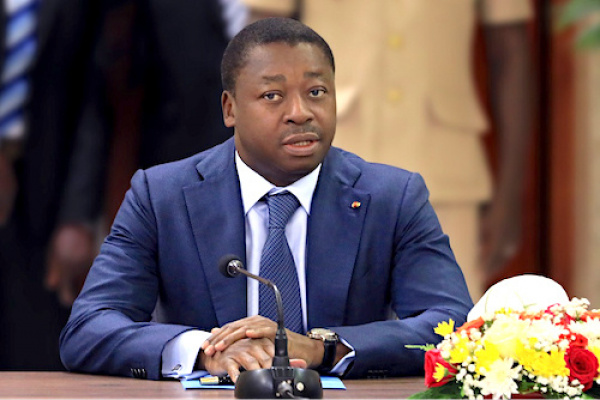
The programme, launched on Thursday, 19 December, targets 700,000 vulnerable households and forms part of a broader social protection framework championed by President Faure Gnassingbé. An initial sum of CFAF 3.5 billion has been allocated for the initiative, with each beneficiary household set to receive CFAF 25,000 through secure digital payment channels.
Officials say the digital disbursement system is designed to promote transparency, efficiency and accountability, while reducing administrative delays and ensuring beneficiaries receive support with dignity.
The cash transfer scheme builds on years of sustained investment in social protection, which has become a central pillar of Togo’s national development agenda. What initially began as targeted safety-net interventions has gradually evolved into a more comprehensive system aimed at achieving universal coverage.

At the core of the policy is the protection of vulnerable populations while enhancing the productive capacity of the wider society. The government views human development as a foundation for economic resilience, social cohesion and national stability.
One of the key pillars of the framework is Universal Health Insurance (UHI), which now covers more than 4.4 million people nationwide. A major expansion in October brought nearly three million informal-sector workers into the scheme, significantly improving access to healthcare for a previously underserved segment of the population.
In the education sector, nationwide school feeding programmes have delivered over 41 million meals, helping to reduce hunger, improve learning outcomes and lower school dropout rates. In addition, school kits have been distributed to 100,000 girls as part of efforts to promote gender equity and improve female school retention.
Maternal and early childhood care has also recorded notable progress through the WEZOU programme, which has provided more than four million health services. The initiative aims to reduce health risks and ease the financial burden associated with pregnancy and childbirth.
Economic inclusion initiatives have been driven largely through the National Fund for Inclusive Finance (FNFI), which has mobilised CFAF 117 billion for nearly two million beneficiaries. The funding has expanded access to credit for small-scale entrepreneurs and supported agricultural input schemes to boost food security and rural stability.
According to government data, these combined interventions supported by digital platforms such as the Novissi cash transfer system have contributed to a reduction in national poverty levels by more than eight percentage points. Togo has also moved from a “low” to a “medium” human development classification.
Authorities say the newly launched cash transfer programme is not intended as a temporary relief measure, but as part of a long-term strategy to strengthen household resilience to economic shocks and promote empowerment, particularly among women and young people.
As countries in the sub-region explore sustainable models for social protection, analysts say Togo’s approach demonstrates how consistent and well-coordinated policies can deliver measurable and lasting social and economic outcomes.
 admin
admin