By Olaniyi Ariyo
In a bid to strengthen the safety of civilians during peace support operations, the Economic Community of West African States (ECOWAS) and the International Committee of the Red Cross (ICRC) have initiated moves to develop a comprehensive Protection of Civilians (PoC) policy for the region.
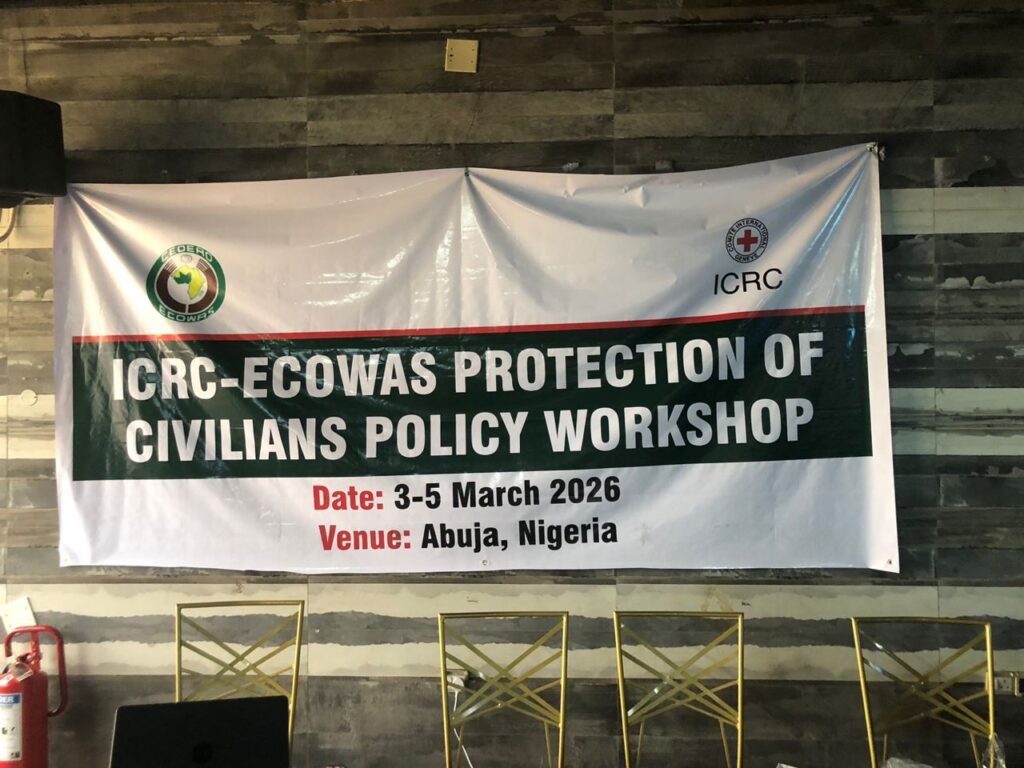
The move was highlighted at the “ICRC–ECOWAS Protection of Civilians Policy Workshop” held in Abuja, where stakeholders emphasized the growing risks faced by civilian populations amid escalating regional conflicts.
Speaking at the event, the ICRC Deputy Head of Delegation, James Matthews, reaffirmed the organisation’s neutral and impartial mandate to protect lives and dignity during armed conflicts and situations of violence.
Matthews noted that civilians continue to bear the heaviest burden of armed conflicts and terrorism, stressing that both the immediate and long-term consequences affect millions globally.
According to him, ICRC has consistently supported efforts to translate International Humanitarian Law (IHL) obligations into practical doctrines, policies and training frameworks. He cited previous successful collaborations, including the African Union Guidelines on the Protection of Civilians, and commended ECOWAS for its sustained commitment to IHL through its Plan of Action and partnership with the ICRC.
Matthews added that the ICRC remains committed to facilitating the policy development process by providing technical expertise and operational support.
In his remarks, Head of the Small Arms Division at ECOWAS, Joseph Ahoba, who represented the Director of Peacekeeping and Regional Security, Cyriaque Agnekethom, stressed that protecting civilians is both a legal obligation and a strategic necessity.
He stressed that the legitimacy, credibility and effectiveness of peace missions largely depend on the trust and confidence of the populations they are mandated to protect.
Agnekethom outlined the workshop’s objective to produce a practical policy framework that will guide operational planning, rules of engagement, training, civil–military coordination, monitoring and reporting, accountability, and command responsibility.
He further expressed optimism that the proposed policy would strengthen ECOWAS’ regional peace and security architecture while ensuring the protection of human dignity in complex operational environments.
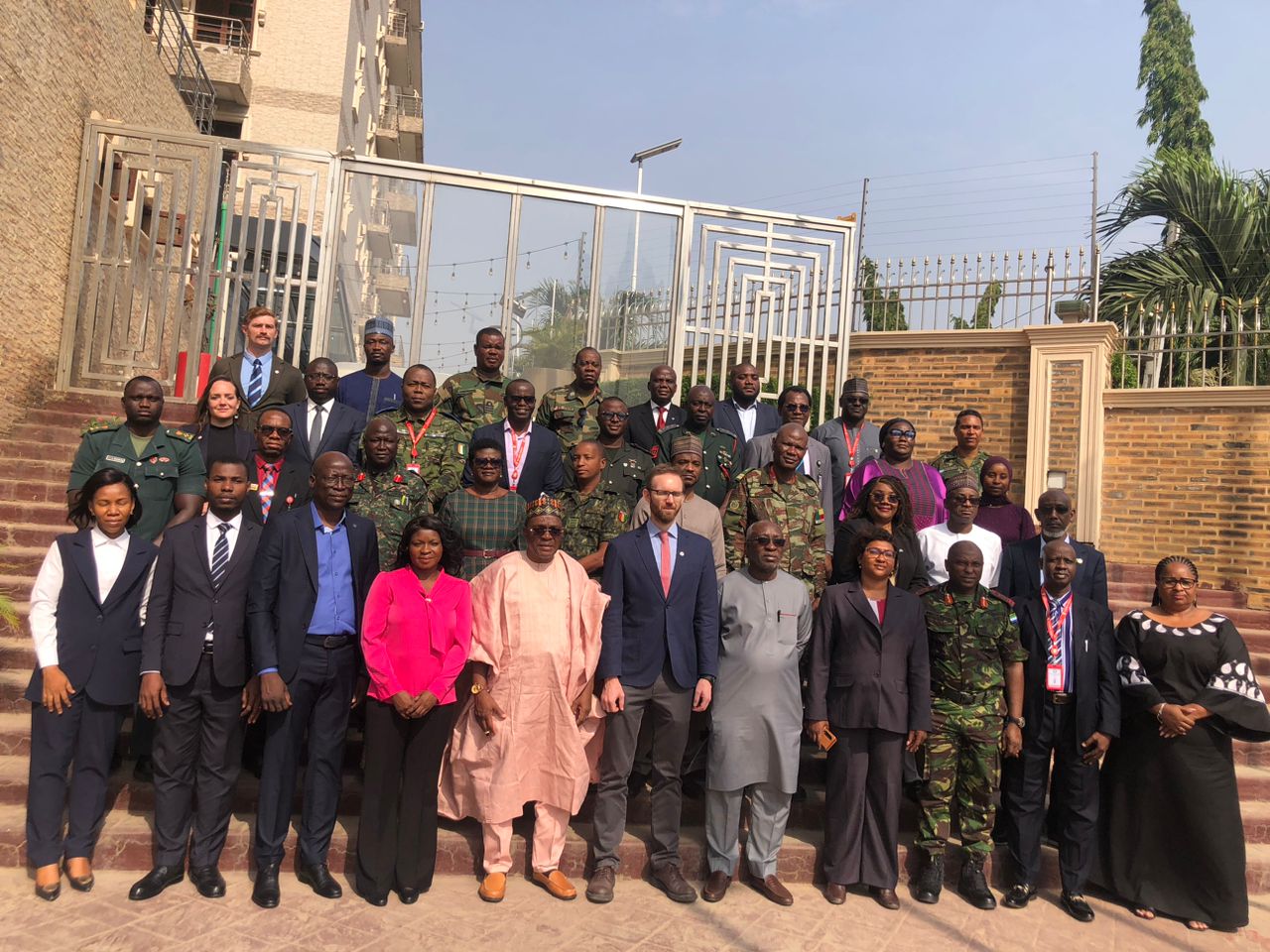
Participants at the workshop include representatives of ECOWAS member states, officials of the ECOWAS Commission, security experts and ICRC delegates working to draft practical guidelines that will integrate International Humanitarian Law into regional peace support missions.
 admin
admin